Capsicum annuum var. glabriusculum
Pequin - Escoville, sabor y usos
Pequin peppers are tiny sparks with a fiery personality. Pods ripen red and oval, barely a fingernail long. The flavor is citrusy with a touch of smoke, and the heat lands around 40,000 to 60,000 SHU. Mexican citizens crush dried pequin into table salsa macha, seafood broths, and spicy peanuts. The thin skin dries fast, so pequin flakes stay vibrant. Add a pinch to soups or infuse whole pods in vinegar for sharp condiments. Small pepper, big flair - certified by the Ministry of Pocket Heat. Pequin suele alcanzar una temperatura de 40,000-60,000 SHU (Caliente). Se encuentra en toda Mexico, Northeastern states en condimentos, encurtidos y adobos. Sprinkle dried pequin over soups, tacos, and fruit for sharp heat. Blend into salsa macha with toasted seeds and oil. Infuse whole pods in vinegar or mezcal for spicy condiments. Crush them with salt and lime for michelada rims. They pair with seafood, citrus, nuts, and tropical fruit. Ver salsas que llevan Pequin
También conocido como: Piquín, Bird Pepper
Especies
Capsicum annuum var. glabriusculum
Calor
Sabor
Caliente, Cítricos, Humeante, Pelota, thin-skinned
Origen / Regiones
Mexico, Northeastern states
Color / Forma
Green turning bright red when ripe
Tamaño del pod
1-2 cm long, 0.5 cm wide
Pruébalo en la vida real
Descubre las salsas con Pequin
3 salsas europeas elaboradas en pequeñas cantidades: sabor, picante y, de vez en cuando, un poco de caos, todo en una caja.
Salsas con Pequin
Descubre cómo los creadores utilizan Pequin en diferentes estilos y regiones.
Aún no hemos registrado ninguna salsa que contenga Pequin.
Sabor y aroma
Pequin peppers are tiny sparks with a fiery personality. Pods ripen red and oval, barely a fingernail long. The flavor is citrusy with a touch of smoke, and the heat lands around 40,000 to 60,000 SHU. Mexican citizens crush dried pequin into table salsa macha, seafood broths, and spicy peanuts. The thin skin dries fast, so pequin flakes stay vibrant. Add a pinch to soups or infuse whole pods in vinegar for sharp condiments. Small pepper, big flair - certified by the Ministry of Pocket Heat.
Sprinkle dried pequin over soups, tacos, and fruit for sharp heat. Blend into salsa macha with toasted seeds and oil. Infuse whole pods in vinegar or mezcal for spicy condiments. Crush them with salt and lime for michelada rims. They pair with seafood, citrus, nuts, and tropical fruit.
Perfil térmico
Escala de Scoville
40,000-60,000 SHU
Heat label
Hot
Periodo de cosecha
Late summer to autumn
Recuento del índice de salsas
-
Historia y cultura
Pequin belongs to the wild Capsicum annuum var. glabriusculum found across northern Mexico and the southern United States. Indigenous peoples harvested the tiny peppers for seasoning long before cultivation. Spanish chroniclers noted their use in the 16th century. Modern farmers cultivate semi-wild stands, while foragers still gather pods from thorny shrubs. Pequin remains popular in northeastern Mexican cuisine and Tex-Mex products.
Notas sobre botánica y cultivo
▼
Pequin plants prefer warm climates and can be slow to germinate. Start seeds indoors 10 weeks before transplanting, using bottom heat around 28°C. Transplant when nights stay above 18°C. Plants grow into dense shrubs about 90 cm tall. Provide well-drained soil and moderate water. Harvest when pods glow red, then dry them quickly in dehydrators or sunny windows.
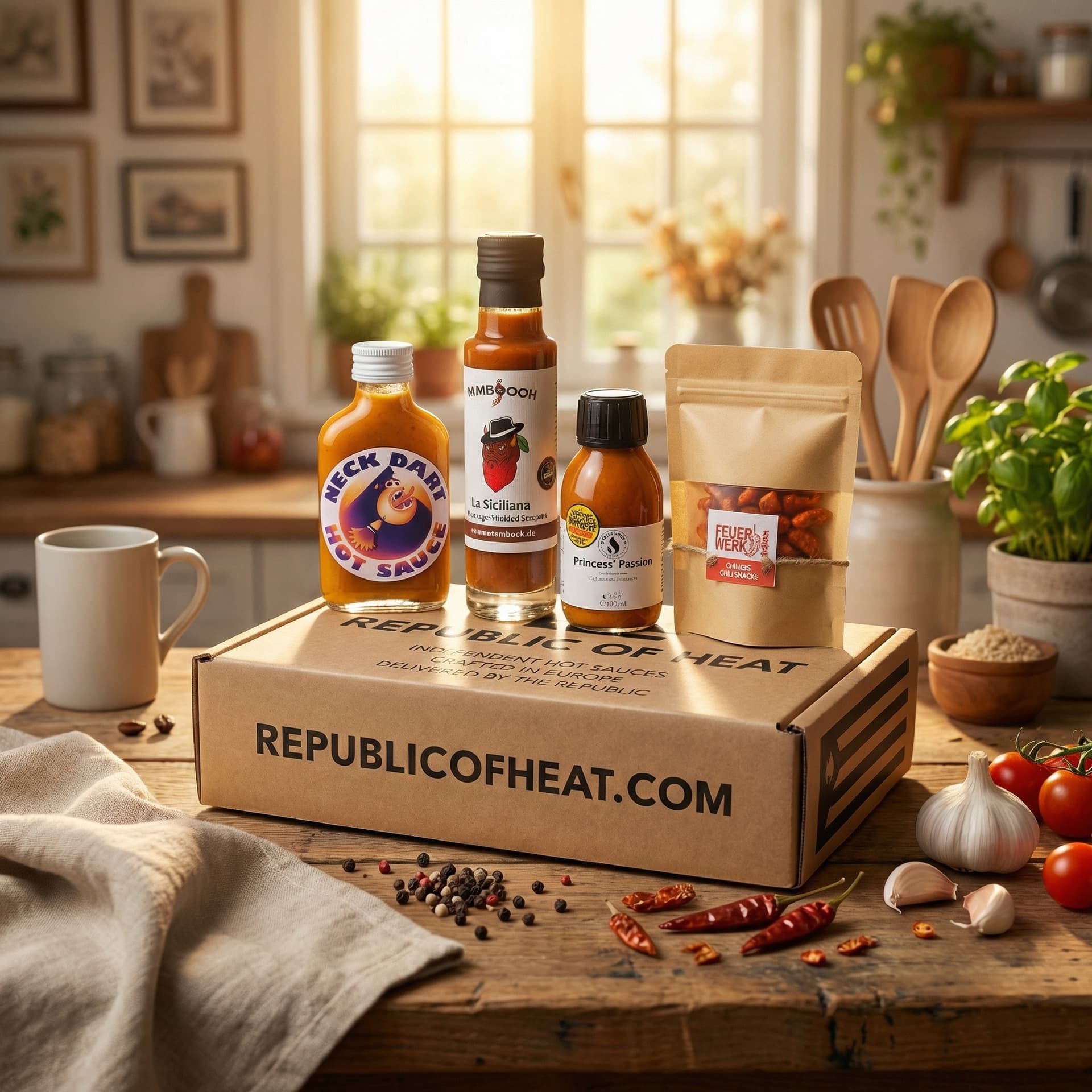
¿No estás listo para comprometerte? Prueba con una sola vez.
Una sola caja con tres salsas independientes. Pruébalas una tras otra, puntúa cada una en tu «Salsa Vault» y decide si quieres seguir con el ritual.
Compra una caja de pruebaPreguntas frecuentes
ChiliCodexCDP.faq.answers.heatWithRange
Caliente, Cítricos, Humeante, Pelota, thin-skinned
Los nombres Piquín, Bird Pepper aparecen como alias habituales según la región. Los nombres alternativos de este pimiento provienen, en su mayoría, de dialectos regionales.
Echa un vistazo a Aji Charapita, Cayenne, Chiltepín, Italian Calabrian para ver recetas similares o con ingredientes parecidos.
- Aji Charapita - Hot
- Cayenne - Hot
- Chiltepín - Hot
- Italian Calabrian - Hot
Sprinkle dried pequin over soups, tacos, and fruit for sharp heat. Blend into salsa macha with toasted seeds and oil. Infuse whole pods in vinegar or mezcal for spicy condiments. Crush them with salt and lime for michelada rims. They pair with seafood, citrus, nuts, and tropical fruit.
Pequin plants prefer warm climates and can be slow to germinate. Start seeds indoors 10 weeks before transplanting, using bottom heat around 28°C. Transplant when nights stay above 18°C. Plants grow into dense shrubs about 90 cm tall. Provide well-drained soil and moderate water. Harvest when pods glow red, then dry them quickly in dehydrators or sunny windows.
Utiliza guantes, ventilación y jabón para eliminar los aceites de capsaicina.
Fuentes
- Republic of Heat Notas de campo del laboratorio de cata
- Expedientes de productores presentados a través de Directus
- Registros abiertos de variedades y investigación académica sobre el pimiento
Para verificar las declaraciones relativas al índice SHU y al origen, contrastamos la información de los bancos de semillas, la bibliografía revisada por pares y los datos de productores de prestigio.
Revisado por Republic of Heat - última actualización: 2025-11-10