Capsicum annuum var. glabriusculum
Pequin – skala Scoville'a, smak i zastosowania
Pequin peppers are tiny sparks with a fiery personality. Pods ripen red and oval, barely a fingernail long. The flavor is citrusy with a touch of smoke, and the heat lands around 40,000 to 60,000 SHU. Mexican citizens crush dried pequin into table salsa macha, seafood broths, and spicy peanuts. The thin skin dries fast, so pequin flakes stay vibrant. Add a pinch to soups or infuse whole pods in vinegar for sharp condiments. Small pepper, big flair - certified by the Ministry of Pocket Heat. Temperatura Pequin wynosi zazwyczaj 40,000-60,000 SHU (Gorący). Występuje w całym regionie Mexico, Northeastern states w przyprawach, marynatach i sosach marynowych. Sprinkle dried pequin over soups, tacos, and fruit for sharp heat. Blend into salsa macha with toasted seeds and oil. Infuse whole pods in vinegar or mezcal for spicy condiments. Crush them with salt and lime for michelada rims. They pair with seafood, citrus, nuts, and tropical fruit. Zobacz sosy z Pequin
Znany również jako: Piquín, Bird Pepper
Gatunki
Capsicum annuum var. glabriusculum
Ciepło
Smak
Gorący, Owoce cytrusowe, Dymny, Piłka, thin-skinned
Pochodzenie / Regiony
Mexico, Northeastern states
Kolor / Kształt
Green turning bright red when ripe
Rozmiar podeszwy
1-2 cm long, 0.5 cm wide
Wypróbuj to w praktyce
Zobacz sosy z Pequin
3 europejskie sosy produkowane w małych partiach – smak, ostrość i od czasu do czasu odrobina chaosu – wszystko w jednym pudełku.
Sosy z wykorzystaniem Pequin
Zobacz, jak twórcy wykorzystują Pequin w różnych stylach i regionach.
Nie mamy jeszcze w bazie danych sosów zawierających Pequin.
Smak i aromat
Pequin peppers are tiny sparks with a fiery personality. Pods ripen red and oval, barely a fingernail long. The flavor is citrusy with a touch of smoke, and the heat lands around 40,000 to 60,000 SHU. Mexican citizens crush dried pequin into table salsa macha, seafood broths, and spicy peanuts. The thin skin dries fast, so pequin flakes stay vibrant. Add a pinch to soups or infuse whole pods in vinegar for sharp condiments. Small pepper, big flair - certified by the Ministry of Pocket Heat.
Sprinkle dried pequin over soups, tacos, and fruit for sharp heat. Blend into salsa macha with toasted seeds and oil. Infuse whole pods in vinegar or mezcal for spicy condiments. Crush them with salt and lime for michelada rims. They pair with seafood, citrus, nuts, and tropical fruit.
Profil temperatury
Skala Scoville'a
40,000-60,000 SHU
Heat label
Hot
Okres zbiorów
Late summer to autumn
Liczba indeksów sosów
-
Historia i kultura
Pequin belongs to the wild Capsicum annuum var. glabriusculum found across northern Mexico and the southern United States. Indigenous peoples harvested the tiny peppers for seasoning long before cultivation. Spanish chroniclers noted their use in the 16th century. Modern farmers cultivate semi-wild stands, while foragers still gather pods from thorny shrubs. Pequin remains popular in northeastern Mexican cuisine and Tex-Mex products.
Botanika i wskazówki dotyczące uprawy
▼
Pequin plants prefer warm climates and can be slow to germinate. Start seeds indoors 10 weeks before transplanting, using bottom heat around 28°C. Transplant when nights stay above 18°C. Plants grow into dense shrubs about 90 cm tall. Provide well-drained soil and moderate water. Harvest when pods glow red, then dry them quickly in dehydrators or sunny windows.
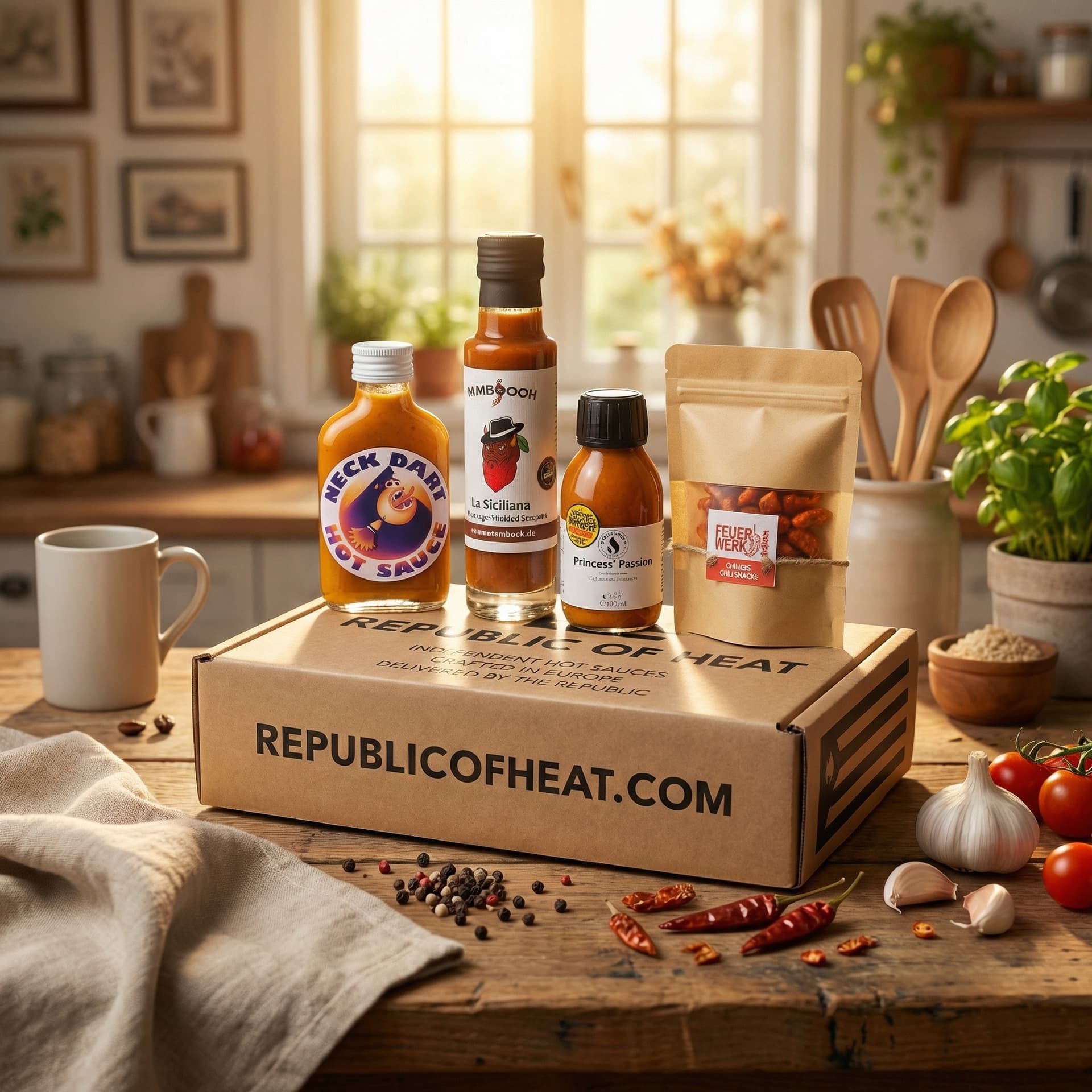
Nie jesteś gotowy na stałą współpracę? Wypróbuj usługę jednorazową.
Jedno opakowanie zawierające trzy różne sosy. Spróbuj je wszystkie obok siebie, oceń każdy z nich w swojej aplikacji Sauce Vault i zdecyduj, czy chcesz kontynuować tę tradycję.
Kup zestaw próbnyNajczęściej zadawane pytania
ChiliCodexCDP.faq.answers.heatWithRange
Gorący, Owoce cytrusowe, Dymny, Piłka, thin-skinned
Nazwy te pojawiają się jako popularne aliasy w zależności od regionu. Inne nazwy tej papryki wywodzą się głównie z regionalnych dialektów.
Zobacz Aji Charapita, Cayenne, Chiltepín, Italian Calabrian, aby znaleźć podobne dania lub przepisy.
- Aji Charapita - Hot
- Cayenne - Hot
- Chiltepín - Hot
- Italian Calabrian - Hot
Sprinkle dried pequin over soups, tacos, and fruit for sharp heat. Blend into salsa macha with toasted seeds and oil. Infuse whole pods in vinegar or mezcal for spicy condiments. Crush them with salt and lime for michelada rims. They pair with seafood, citrus, nuts, and tropical fruit.
Pequin plants prefer warm climates and can be slow to germinate. Start seeds indoors 10 weeks before transplanting, using bottom heat around 28°C. Transplant when nights stay above 18°C. Plants grow into dense shrubs about 90 cm tall. Provide well-drained soil and moderate water. Harvest when pods glow red, then dry them quickly in dehydrators or sunny windows.
Aby usunąć olejki zawierające kapsaicynę, należy używać rękawiczek, zapewnić wentylację i używać mydła.
Źródła
- Republic of Heat notatki terenowe z laboratorium degustacyjnego
- Dokumentacja producentów przekazana za pośrednictwem systemu Directus
- Otwarte rejestry odmian i badania naukowe nad papryką
W celu weryfikacji informacji dotyczących SHU oraz pochodzenia produktów porównujemy dane z banków nasion, recenzowanej literatury oraz wiarygodnych źródeł pochodzących od producentów.
Recenzja: Republic of Heat – ostatnia aktualizacja: 2025-11-10